Russia unveils new interceptor drones: can they stop Ukrainian UAV attacks?


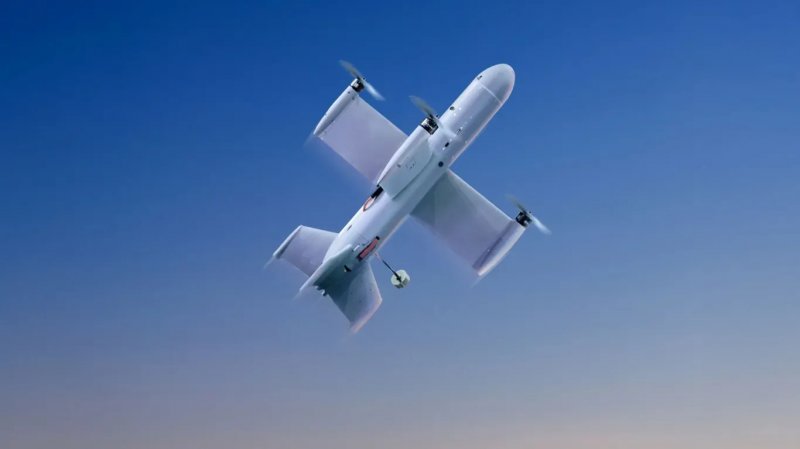
Russia has unveiled a new generation of interceptor drones designed specifically to detect, pursue and destroy Ukrainian unmanned aerial vehicles.
The development reflects the growing importance of drone warfare in the Russia Ukraine conflict, where both sides increasingly rely on unmanned systems for reconnaissance, surveillance, strike missions and air defense, News.az reports.
Russian officials and military developers say the new systems are intended to counter the growing number of Ukrainian drones operating over the battlefield and deep inside Russian territory.
What are interceptor drones?
Interceptor drones are unmanned aircraft designed to hunt and destroy other drones.
Unlike traditional air defense systems that rely on expensive missiles, interceptor drones provide a cheaper and more flexible way to neutralize aerial threats.
These systems can identify hostile drones, track them in flight and destroy them either through direct collision, explosive charges, electronic warfare capabilities or autonomous interception technologies.
In recent years, interceptor drones have emerged as one of the fastest growing sectors of military technology.
Why is Russia investing in interceptor drones now?
The main reason is the dramatic increase in Ukrainian drone operations.
Since the beginning of the war, Ukraine has expanded its use of long range drones capable of striking military bases, fuel depots, logistics hubs and industrial facilities hundreds of kilometers from the front lines.
These attacks have forced Russia to search for more cost effective defensive solutions.
Using advanced surface to air missiles against relatively inexpensive drones is financially unsustainable. Interceptor drones offer a cheaper alternative capable of engaging large numbers of targets.
What new systems have been revealed?
Among the systems receiving attention are compact interceptor drones designed to operate autonomously after launch.
Russian developers have promoted several new designs capable of automatically tracking enemy UAVs once a target is identified.
Some of these systems are reportedly small enough to be carried and operated by individual soldiers, allowing frontline units to defend themselves against Ukrainian reconnaissance drones and first person view attack drones.
Other interceptor models are being integrated into larger air defense networks.
How do these interceptor drones work?
Most interceptor drones follow a relatively simple process.
First, a hostile drone is detected through radar, optical sensors or battlefield observation.
The interceptor drone is then launched toward the target.
Using onboard cameras, artificial intelligence algorithms or autonomous guidance systems, the interceptor tracks the target and maneuvers toward it.
The target is destroyed either through collision, detonation or other interception methods.
The goal is to eliminate the threat before it reaches its intended objective.
What makes these drones different from traditional air defenses?
Traditional air defense systems were developed primarily to counter aircraft, helicopters and missiles.
Drones present a different challenge.
They are often smaller, slower and significantly cheaper than conventional military aircraft.
As a result, firing expensive missiles at low cost drones creates an economic imbalance.
Interceptor drones help solve this problem by providing a relatively inexpensive method of neutralizing enemy UAVs.
They can also operate closer to the battlefield and respond more rapidly to low altitude threats.
How significant are Ukrainian drone operations?
Ukrainian drones have become one of Kyiv's most important military tools.
They have been used to strike oil facilities, military airfields, ammunition depots, command centers and transportation infrastructure inside Russian controlled territory.
Long range drone attacks have become increasingly frequent and sophisticated.
Ukraine has also developed large numbers of first person view drones used against armored vehicles, troop positions and logistical targets near the front line.
These capabilities have forced Russia to invest heavily in counter drone technologies.
Is Russia creating a dedicated anti drone network?
Russia appears to be moving toward a more comprehensive anti drone strategy.
In addition to interceptor drones, Russian authorities have expanded electronic warfare systems, radar coverage, anti aircraft defenses and specialized units dedicated to countering UAV threats.
The creation of dedicated unmanned systems formations and the growing focus on drone warfare indicate that Russia sees drones as a central component of modern military operations.
Interceptor drones are likely to become one layer within a broader defense architecture.
Can interceptor drones stop all Ukrainian UAVs?
No.
Like every military technology, interceptor drones have limitations.
Success depends on factors such as speed, altitude, weather conditions, electronic interference and operator training.
Some drones may evade interception through maneuvering, electronic warfare measures or sheer numbers.
Military experts generally view interceptor drones as one component of a larger defense system rather than a complete solution.
How is Ukraine responding?
Ukraine has also invested heavily in interceptor drone technology.
Ukrainian developers have produced systems specifically designed to destroy Russian Shahed type drones and other aerial threats.
The result has been an increasingly intense technological competition between the two sides.
Each innovation by one side tends to generate a countermeasure from the other.
This cycle of adaptation has become one of the defining characteristics of the war.
Is there a drone arms race underway?
Many analysts believe the conflict has evolved into the world's first large scale drone war.
Russia and Ukraine are now engaged in a continuous technological race involving surveillance drones, attack drones, maritime drones, loitering munitions and interceptor drones.
Both countries are investing significant resources into artificial intelligence, autonomous targeting systems and mass production capabilities.
The rapid pace of innovation has attracted attention from militaries around the world.
What role does artificial intelligence play?
Artificial intelligence is becoming increasingly important in drone warfare.
Modern interceptor drones can use computer vision systems to identify targets, predict flight paths and make rapid maneuvering decisions.
This reduces dependence on human operators and increases the probability of successful interception.
As artificial intelligence technologies improve, future interceptor drones may become even more autonomous and effective.
Can interceptor drones replace missiles?
Not entirely.
Missile systems remain necessary for engaging high speed aircraft, ballistic missiles and certain cruise missiles.
However, interceptor drones are increasingly viewed as a complementary technology.
They can handle many drone related threats at a lower cost, preserving expensive missile inventories for more dangerous targets.
Military planners increasingly see a combination of drones and missiles as the most effective approach.
Why are economics important in drone warfare?
One of the most important lessons of the war has been the importance of cost effectiveness.
A drone worth a few thousand dollars can force an opponent to use a missile costing hundreds of thousands or even millions of dollars.
This creates a significant financial burden.
Interceptor drones help reduce this imbalance by offering a lower cost means of defense.
As a result, economics has become almost as important as battlefield performance.
Could interceptor drones change the balance of the war?
Interceptor drones alone are unlikely to determine the outcome of the conflict.
However, they can influence operational effectiveness.
If Russia succeeds in intercepting larger numbers of Ukrainian UAVs, it could reduce the effectiveness of Ukrainian long range strikes and reconnaissance missions.
Conversely, if Ukrainian drone technology continues to evolve faster than Russian countermeasures, Kyiv may retain important advantages.
The competition between attack drones and interceptor drones is likely to remain a key factor in the conflict.
What challenges do interceptor drones face?
Several challenges remain.
Fast moving drones are more difficult to intercept.
Electronic warfare can disrupt communications and navigation systems.
Poor weather can affect sensors and flight performance.
Large drone swarms may overwhelm available interceptor systems.
Developers on both sides are working to address these limitations through improved software, faster airframes and more sophisticated sensors.
What does this reveal about modern warfare?
The emergence of interceptor drones highlights a broader transformation in military affairs.
For decades, air defense was dominated by missiles, radar systems and manned aircraft.
Today, inexpensive unmanned systems are reshaping battlefield dynamics.
The Russia Ukraine war has demonstrated that drones are no longer supplementary tools. They have become central weapons capable of influencing strategic outcomes.
The rapid development of interceptor drones represents the next stage in that evolution.
How are other countries viewing these developments?
Military planners around the world are closely monitoring drone warfare in Ukraine.
Many governments are studying lessons from the conflict to improve their own air defense capabilities.
Countries in Europe, Asia and the Middle East have accelerated investments in counter drone technologies, including interceptor drones.
The innovations being tested in Ukraine today may influence military procurement and doctrine for years to come.
What happens next?
The battle between drones and interceptor drones is likely to intensify.
Russia will continue developing systems designed to protect military infrastructure and frontline forces from Ukrainian UAVs.
Ukraine is expected to pursue faster, more capable and more numerous drones capable of overcoming Russian defenses.
As both sides adapt, the technological contest will continue to shape the battlefield.
Bottom line
Russia's unveiling of new interceptor drones reflects the growing importance of counter drone warfare in the conflict with Ukraine. Designed to detect and destroy Ukrainian UAVs, these systems aim to provide a cheaper and more flexible alternative to traditional air defenses. Their emergence highlights the accelerating drone arms race between Moscow and Kyiv and underscores how unmanned technologies are transforming modern warfare. While interceptor drones are unlikely to be a decisive weapon on their own, they are becoming an increasingly important component of battlefield defense and could play a significant role in the next phase of the war.
By Faig Mahmudov


Similar news